
Recent Clinical Findings
Over the past decade, several groundbreaking studies have demonstrated psilocybin’s efficacy for depression where traditional treatments have failed. Research from institutions like Johns Hopkins and Imperial College London shows that just 1-2 psilocybin sessions, combined with psychological support, can produce rapid and sustained reductions in depressive symptoms.
These clinical trials typically show response rates between 60-80% at the four-week mark, with many participants maintaining improvements for six months or longer—a remarkable outcome for a population that had previously found little relief through conventional treatments.
How Psilocybin May Work
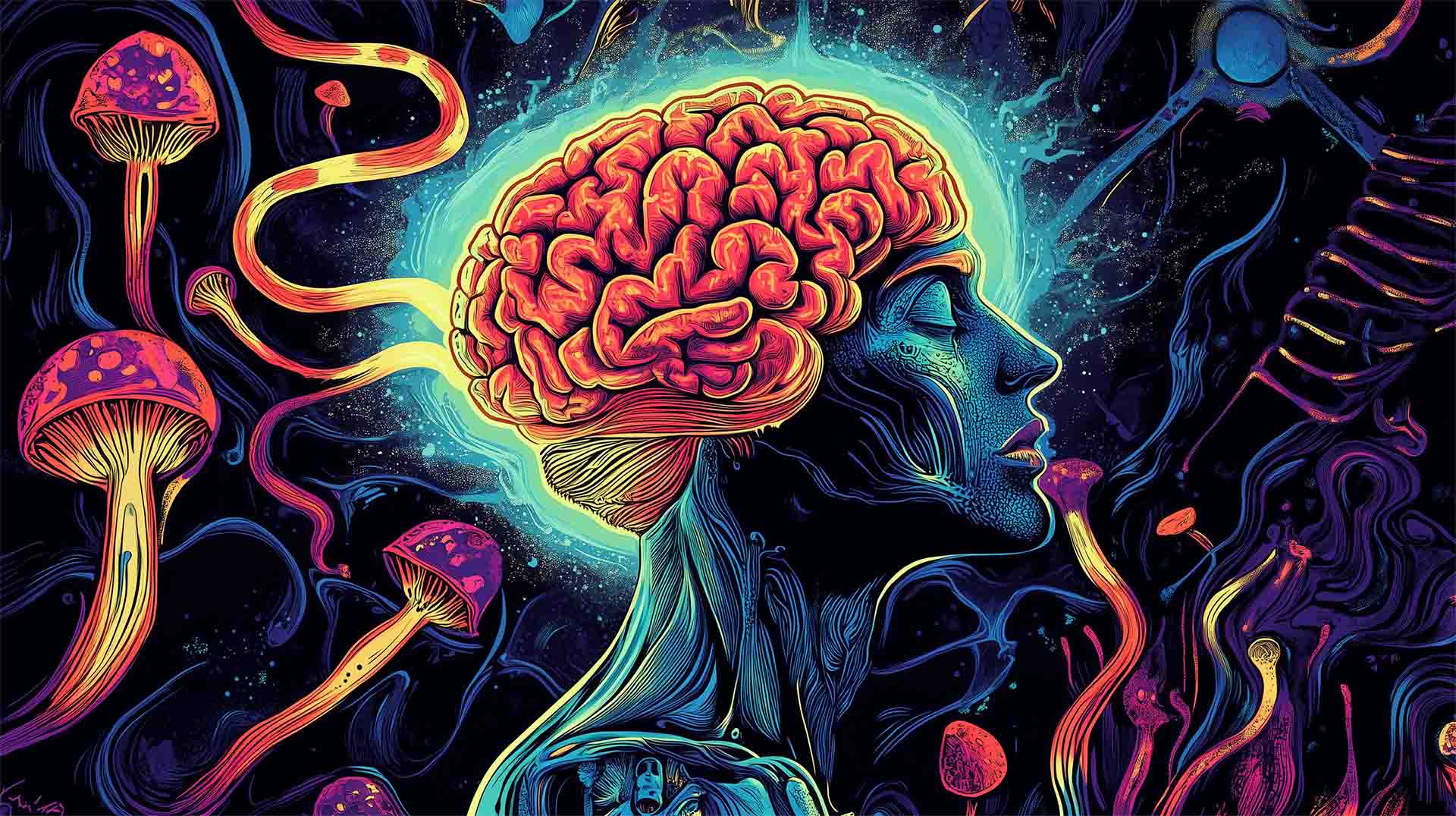
Psilocybin appears to work through multiple mechanisms in the brain. It primarily acts on serotonin 5-HT2A receptors, temporarily disrupting the default mode network—a brain system often overactive in depression and associated with rumination and negative self-focus.
Current Research Collaborations
Our team is currently collaborating with researchers at several universities to analyze the qualitative aspects of the psychedelic experience and how they correlate with therapeutic outcomes. This work examines how factors like emotional breakthrough experiences, mystical-type experiences, and psychological insights influence long-term healing.
Future Directions
The research landscape is rapidly evolving, with several Phase 3 trials underway that could lead to FDA approval within the next few years. Our focus is increasingly on optimizing preparation and integration protocols to maximize benefits while minimizing risks for diverse populations.
Discuss Your Questions About Psychedelic Research
If you’re interested in learning more about the current state of psychedelic research or have questions about this emerging field, schedule a free consultation with Mark to explore this topic further.
Book Your Free Consultation